Denadia: A Timeless Handwritten Font for Branding and Design
There’s a moment in every branding project where you open a blank brand board and feel the weight of possibility. That’s when I first tested Denadia on a logo concept for a boutique identity project. The font immediately caught my eye—not because it was flashy or over-the-top, but because it carried a quiet elegance that felt just right for the brand’s story.
A Delicate Balance of Timelessness and Personality
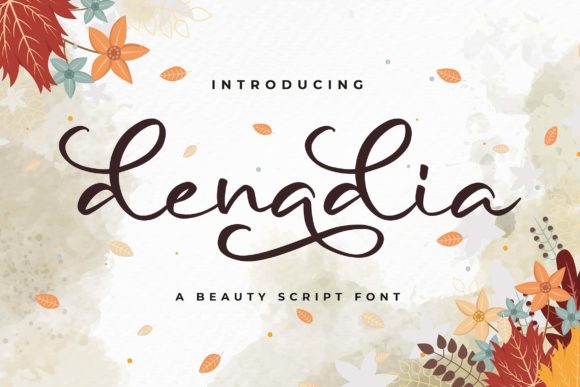
Denadia is a handwritten font with a distinct personality. It’s delicate, yet confident; timeless, yet modern. Its strokes are fluid and organic, with a subtle flourish that gives it character without overwhelming the message. This balance makes it versatile enough to work across a range of design applications while still maintaining its unique identity.
What stands out about Denadia is its ability to convey warmth and approachability. It feels like the handwriting of someone who values craftsmanship and care. Whether used in a logo, a greeting card, or a social media graphic, Denadia adds a touch of personality that can elevate the overall design.
Testing Denadia in Real-World Branding Projects
I’ve used Denadia in several real-world branding projects, from a café visual refresh to a skincare product line. In each case, it performed well as a headline or accent font. On a café menu, it added a friendly vibe that matched the brand’s casual, community-focused ethos. For a skincare brand, it worked beautifully on packaging labels, where its delicate curves complemented the minimalist aesthetic.
One of my favorite uses was on a handmade shop’s business cards. Denadia brought a sense of authenticity and artistry to the design, making the cards feel like a personal touch rather than just a piece of stationery. It’s the kind of font that makes people pause and take notice.
However, I’ve also noticed that Denadia isn’t always the best choice for long body text or small sizes. Its delicate nature means it can be difficult to read at very small points, especially in digital formats. This makes it more suitable for headlines, logos, and short phrases rather than extended content.
Font Pairing and Design Flexibility
When pairing Denadia with other fonts, I’ve found that it works best with clean, modern sans serifs or classic serif fonts. For example, using Denadia as a headline paired with a simple sans serif like Montserrat or Lato creates a nice contrast that keeps the design balanced.
In web design, Denadia has been effective in hero sections and social media graphics. Its readability at larger sizes makes it ideal for headers and call-to-action buttons. On Instagram posts, it adds a handcrafted feel that aligns well with lifestyle and creative brands.
For editorial design, Denadia has shown promise in magazine covers and posters. It adds a touch of sophistication and charm that can make a design stand out. However, I recommend testing it in different contexts before committing to a final layout.
Considerations for Commercial Use
Before using Denadia in client work, it’s important to review the commercial font licensing. Depending on the license, there may be restrictions on how the font can be used in print-on-demand products, websites, or digital templates. Always ensure that the font’s usage aligns with your project’s needs and budget.
Additionally, it’s worth checking if the font includes alternate styles, ligatures, or swashes that could enhance your design. Denadia offers a range of weights and alternates that can help create visual variety without losing its core character.
Final Thoughts on Denadia
Denadia is a font that feels like a conversation between the designer and the audience. It brings warmth, personality, and a touch of elegance to any project. Whether you’re working on a wedding invitation, a logo, or a social media post, Denadia has the potential to make your design stand out.
But remember, no font is a one-size-fits-all solution. Denadia shines best in specific contexts—where its delicate beauty can be appreciated without being overshadowed by its limitations. With careful planning and thoughtful pairing, it can become an essential part of your design toolkit.