Bearhug: A Handwritten Font That Adds Personality to Your Web Design
Recently, I was working on a boutique online store’s homepage. The client wanted something warm, approachable, and slightly whimsical—something that felt like the brand was speaking directly to the customer. After testing several fonts, I landed on Bearhug. It wasn’t just another script font; it had a unique charm that fit the project perfectly.
The First Impressions
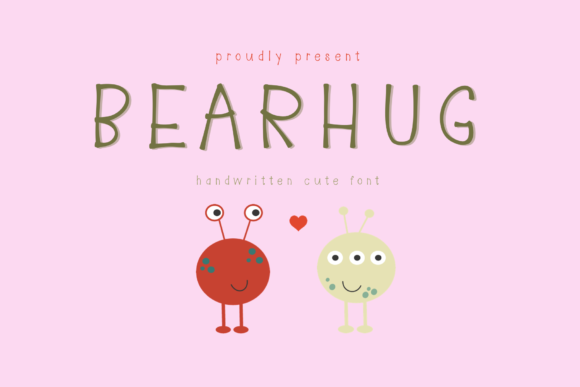
I first used Bearhug in the hero section of the homepage. Placed over a soft pastel image of a hand-painted product, it immediately added a sense of personality. The font’s handwritten style gave the site a friendly, artisanal feel that aligned with the boutique’s brand identity. It wasn’t too bold or too delicate, which made it versatile for different design contexts.
One of the things I appreciated about Bearhug is its natural flow. Unlike some overly stylized script fonts that can feel forced, Bearhug feels organic and easy to read. This is especially important for websites where readability is key, such as e-commerce pages or landing pages with clear calls to action.
Where Bearhug Shines
Bearhug works best in areas where you want to add a touch of character without overwhelming the user. Here are a few places where it excels:
- Hero Sections: Use Bearhug for main headlines or taglines to create an immediate emotional connection.
- Call-to-Action Buttons: Its friendly tone makes it ideal for buttons like “Shop Now” or “Join Today.”
- Logos and Branding: For creative portfolios or small businesses, Bearhug can be used as a logo font or accent text.
- Blog Headers: It adds a personal touch to blog titles, making them feel more human and engaging.
- Decorative Accents: Use it sparingly in sidebars, footers, or social media graphics for visual interest.
It’s important to note that Bearhug isn’t meant for body copy. Its decorative nature means it can be harder to read in large blocks of text. Instead, pair it with a clean sans serif font for the main content to maintain readability and balance.
Readability and Responsiveness
Testing Bearhug on mobile devices was crucial. I made sure it scaled well and remained legible on smaller screens. On dark backgrounds, it stood out nicely, but I also tested it on light backgrounds to ensure it worked across different layouts.
For small buttons or labels, Bearhug can still be effective if used with appropriate sizing and spacing. However, it’s always a good idea to test how the font performs in various scenarios. For example, on a course sales page, using Bearhug for the headline while keeping the body text in a simpler font ensures both style and clarity.
Font Pairing and Design Consistency
Pairing Bearhug with a simple sans serif font like Montserrat or Lato creates a nice contrast. This combination allows the display font to stand out while maintaining a professional look. For editorial-style sites, pairing Bearhug with a serif font could give a more traditional, bookish feel.
Consistency is key when building a brand. Using Bearhug across all relevant sections—headers, CTA buttons, and promotional banners—helps reinforce brand identity. But don’t forget to check the font’s licensing details. If you’re using it for a commercial project, make sure you have the proper license for web use, including webfont formats like WOFF and WOFF2.
Real-World Applications
Let’s take a real example: a coaching website. The owner wanted to convey warmth and expertise. By using Bearhug for the header and subheadings, the site felt more personal and inviting. The body text was kept in a clean, modern sans serif font to maintain professionalism. This balance helped build trust with the audience.
Another example is a digital brand kit. Bearhug was used for the logo and promotional banners, giving the brand a distinct, memorable identity. It also worked well in social media graphics, where its playful style caught attention without being distracting.
Final Thoughts on Bearhug
Bearhug is more than just a font—it’s a design tool that can elevate your web projects. Whether you’re working on a boutique store, a portfolio site, or a course sales page, Bearhug offers a unique blend of style and usability. It’s perfect for designers who want to add personality without sacrificing readability or professionalism.
When choosing a font like Bearhug, always consider your audience, layout, and brand voice. Test it across different devices and screen sizes, and don’t hesitate to pair it with other fonts to achieve the right balance. With the right approach, Bearhug can become a valuable asset in your design toolkit.